We use cookies to make your experience better. To comply with the new e-Privacy directive, we need to ask for your consent to set the cookies. Learn more.











MCB vs RCD: What’s the Difference?
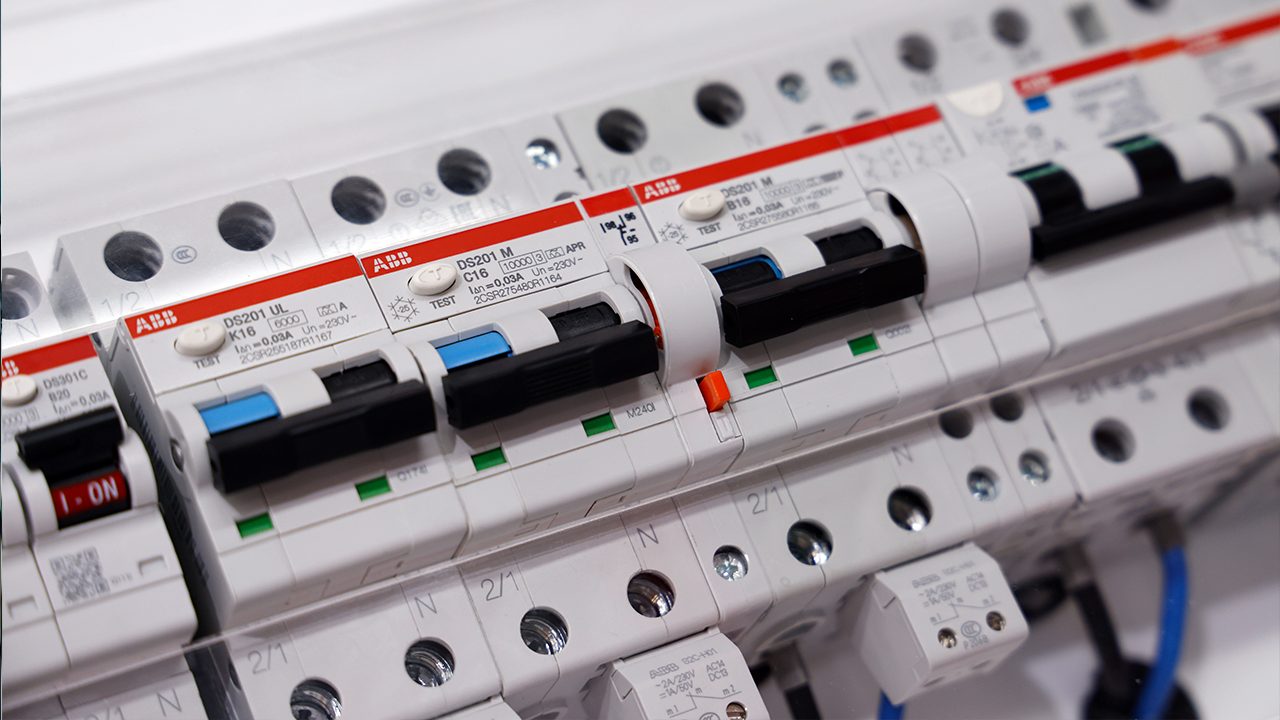
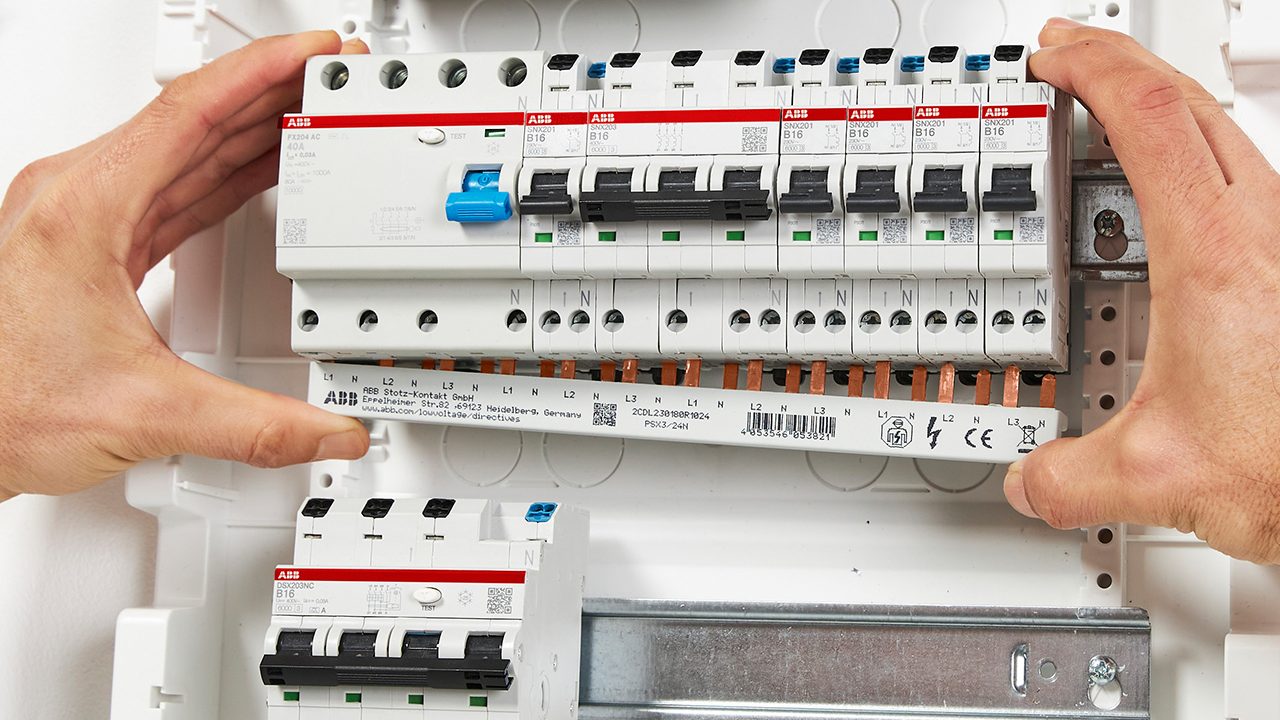
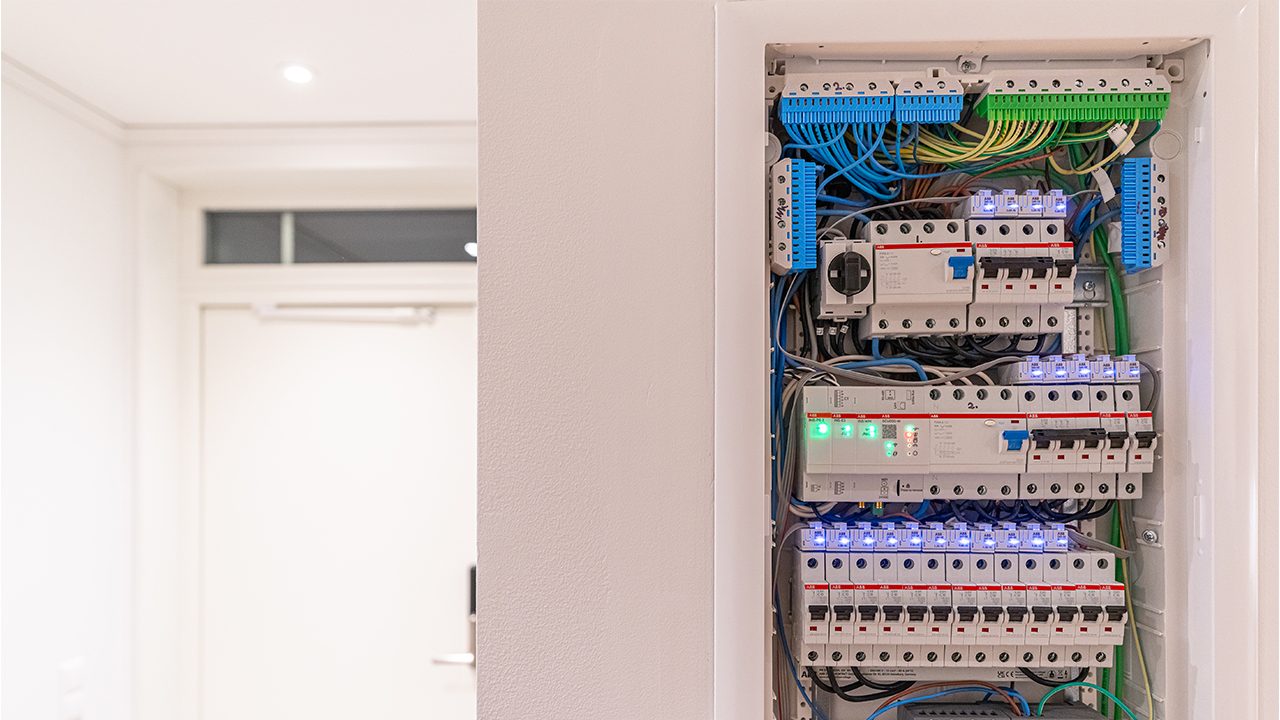
If you’ve ever looked inside a consumer unit or worked on a control panel, you’ve probably seen both an MCB and an RCD. Both are essential for electrical safety, but they protect against very different faults. Understanding this difference makes it far easier to design, install, maintain, or simply choose the right protection for an electrical system.
What Is an MCB?
An MCB, or Miniature Circuit Breaker, protects a circuit from overcurrent. So it disconnects the supply if the current rises above safe limits, either due to an overload or a short circuit. Without one, wiring can overheat, insulation can fail, and equipment can be damaged.
How an MCB Works
MCBs keep an eye on how much electrical current is flowing through a circuit at all times. You can think of it a bit like a safety gate. As long as the current stays within a safe range, the gate stays open and everything runs normally. If too much current tries to pass through, the MCB closes the gate and switches the circuit off to keep everything safe. This process is controlled by two separate mechanisms inside the device:
The thermal element: protects against overloads
An overload happens when a circuit is carrying more current than it is designed to handle, but not enough to cause an instant fault. For example, plugging too many appliances into one circuit can cause an overload.
Inside the MCB, there is a small strip of metal called a thermal element. This strip warms up when current flows through it. The more current it carries, the hotter it gets.
If an overload continues for too long, the metal strip bends due to the heat. Once it bends far enough, it triggers the MCB to switch off. This process takes a short amount of time because the strip needs to warm up first. That slight delay is intentional. It stops the MCB cutting power unnecessarily during brief, harmless spikes in current, such as when a motor starts up.
The magnetic mechanism: protects against short circuits
A short circuit is a much more serious fault. It happens when electricity suddenly takes a path of very low resistance, causing a huge surge of current. This can happen if two wires touch when they shouldn’t, or if a cable gets damaged.
Because the current rises incredibly quickly during a short circuit, the MCB must react almost instantly. That is the job of the magnetic mechanism.
Inside the MCB, a small electromagnet becomes stronger as the current increases. During a short circuit, the current rises so fast that the magnet pulls a switch open immediately. This cuts the power in a fraction of a second, preventing the cables from overheating or the equipment from being damaged.

MCB ratings: what they mean
When choosing an MCB, you’ll often see numbers and letters. Each one tells you something important about how the device will behave.
Amperage rating (6 A, 16 A, 32 A, etc)
This tells you the maximum amount of current the MCB will allow before reacting.
For example, a 16 A MCB is designed for circuits expected to carry up to 16 amperes of current.
Breaking capacity
This is the maximum fault current the MCB can safely interrupt during a short circuit.
During a severe fault, the current can be extremely high. The breaking capacity tells you whether the MCB is strong enough to handle that energy without failing.
Trip curve (B, C, or D)
The trip curve describes how sensitive the MCB is to short-term surges.
Different types of equipment naturally draw a brief burst of extra current when they start up. The trip curve ensures the MCB won’t switch off unnecessarily.
- B-curve MCBs trip quickly and are used for general circuits such as lighting.
- C-curve MCBs allow slightly higher start-up currents, making them suitable for small motors or devices with inrush current.
- D-curve MCBs allow even higher surges before tripping and are used for heavy industrial loads.
Together, these ratings help ensure the MCB matches the circuit it is protecting. Choosing the correct combination keeps wiring safe, prevents nuisance tripping, and ensures the protection system works as it should.
What an MCB Protects Against
- Overload
- Short circuit
- Excessive heat build-up in cables or equipment
What an MCB Doesn’t Do
An MCB cannot detect earth leakage. That means it won’t trip if current is escaping to earth through a damaged cable or a person. For that, you need an RCD.
What Is an RCD?
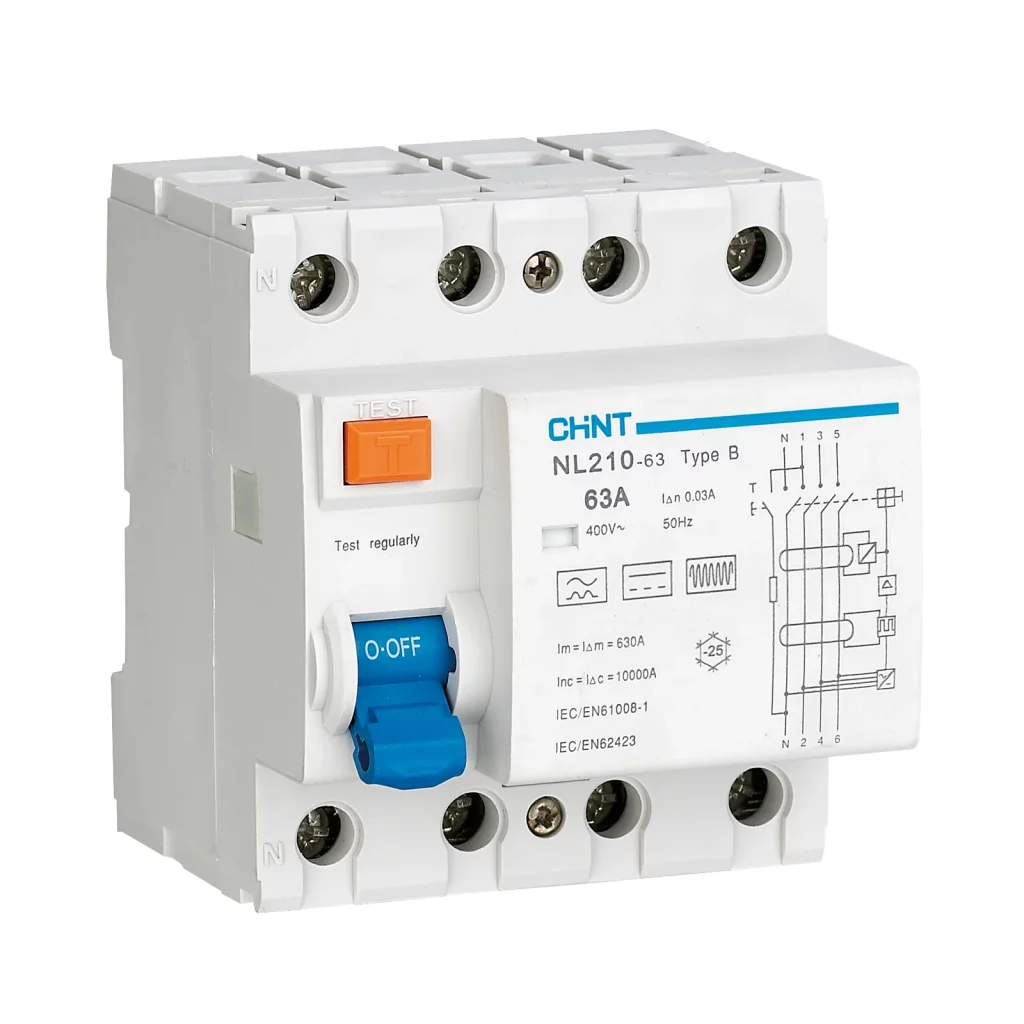
An RCD, or Residual Current Device, provides protection against earth leakage and helps prevent electric shock. It compares the current flowing out on the live conductor with the current returning on the neutral. If the two don’t match, current must be leaking somewhere dangerous, so the RCD trips.
For a deeper introduction, you may like our blog What is an RCD?
How an RCD Works
If even a small amount of current (typically 30 mA on domestic and personal-protection devices) leaks to earth, the RCD disconnects the supply within milliseconds. This sensitivity makes it ideal for protecting people and reducing fire risks related to earth faults.
What an RCD Protects Against
- Electric shock caused by earth leakage
- Fire risks resulting from leakage currents
- Faults that an MCB alone would not detect
What an RCD Doesn’t Do
An RCD cannot detect overload or short-circuit conditions. It is not a replacement for an MCB. In most installations, both are required.
MCB vs RCD: Key Differences
| Feature | MCB | RCD |
|---|---|---|
| Main purpose | Overcurrent protection (overload and short circuit) | Earth leakage protection and shock prevention |
| How it trips | Excess current | Current imbalance |
| Protects | Wiring and equipment | People and property |
| Doesn’t protect against | Earth leakage | Overload or short circuit |
| Typical use | All electrical circuits | Socket circuits, outdoor supplies, wet areas, TT systems |
When You Should Use an MCB
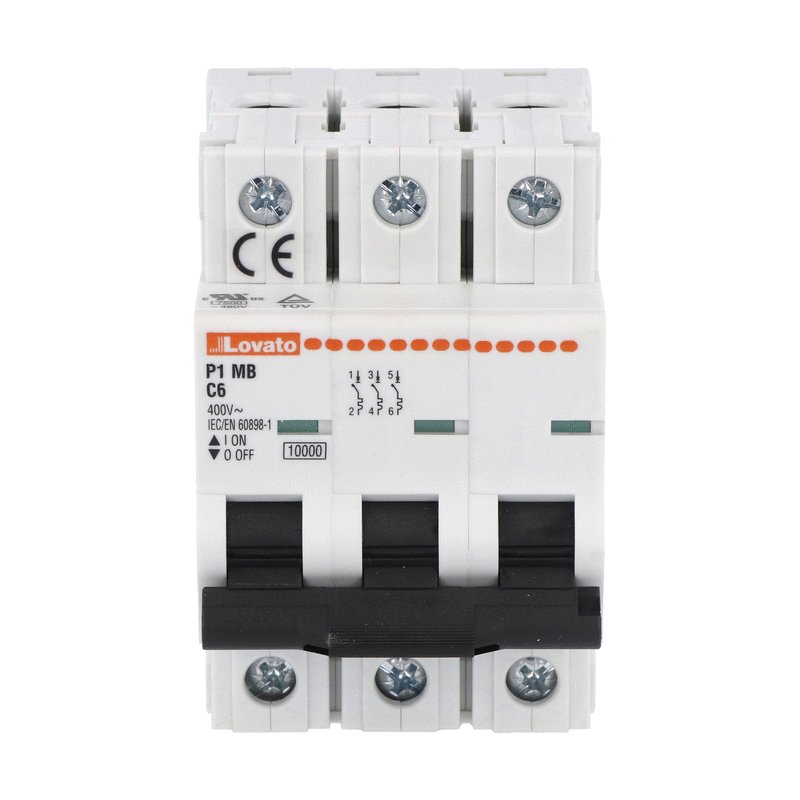
- General lighting and power circuits
- Motor loads and machinery
- Any circuit needing overcurrent protection
- Consumer units and distribution boards
When You Should Use an RCD
- Circuits supplying outdoor equipment
- Socket circuits requiring additional protection
- Wet or high-risk environments
- TT earthing arrangements
- Installations needing protection against shock or leakage-related fire risk
Using Both Together
A safe, compliant installation usually combines both devices. In many boards you’ll see:
- An RCD covering a group of circuits
- MCBs protecting each individual circuit
or - RCBOs (a single device combining both functions)
RCBOs are a useful alternative when space or circuit segregation is important.
RCDs and MCBs available from LED Controls
| Manufacturer | Device Type | When You Need It | Recommended Product | Key Features |
|---|---|---|---|---|
| ABB | MCB | Protecting circuits from overload or short-circuit faults; ideal for lighting, sockets or small machinery loads. | ABB S201M-C4 MCB 1-pole 4 A C-curve | 4 A, 1-pole, C-curve, high breaking capacity. |
| ABB | RCD | Providing earth-leakage and shock protection; essential for safety in both commercial and industrial boards. | ABB F204B-63/0.03 RCD 4-pole 63 A 30 mA | 63 A, 4-pole, 30 mA sensitivity for personnel protection. |
| Lovato | MCB | Overload and short-circuit protection where Lovato gear is preferred in existing panel designs. | Lovato Modular MCB Range | Multiple ratings available, reliable build quality. |
| Lovato | RCD / RCCB | Leakage protection for single-phase or three-phase circuits in Lovato-standardised panels. | Lovato RCCB / Protection Range | Options up to 63 A, 30–300 mA sensitivities. |
| IMO | MCB | Protecting high-current or three-phase circuits; suitable for heavier distribution boards or industrial environments. | IMO B10C4080A MCB 4-pole 80 A C-curve | 80 A, 4-pole, 10 kA breaking capacity. |
| IMO | MCB | Three-phase or machinery circuits needing a 3-pole + neutral configuration. | IMO B10C3N32A-L MCB 32 A 3-pole + N | 32 A, 3-pole + N, C-curve, 10 kA. |
| Chint | RCD | When you need shock protection on large single-phase circuits such as outgoing ways in distribution boards. | Chint NL1-100-2100/30 RCD 100 A 30 mA 2-pole | 100 A, 2-pole, 30 mA sensitivity. |
| Chint | MCB | Everyday protection for lighting and socket circuits, especially in cost-sensitive projects. | Chint NB1-63B1P25 MCB 25 A 1-pole B-curve | 25 A, 1-pole, B-curve, 6 kA breaking capacity. |
Summary
MCBs protect circuits from excessive current. RCDs protect people from electric shock and reduce fire risk from earth leakage. They are designed to work together and solve different safety challenges.
If you want help choosing the right device for your setup, feel free to ask LED Controls!