We use cookies to make your experience better. To comply with the new e-Privacy directive, we need to ask for your consent to set the cookies. Learn more.











What is a Variable Speed Drive?
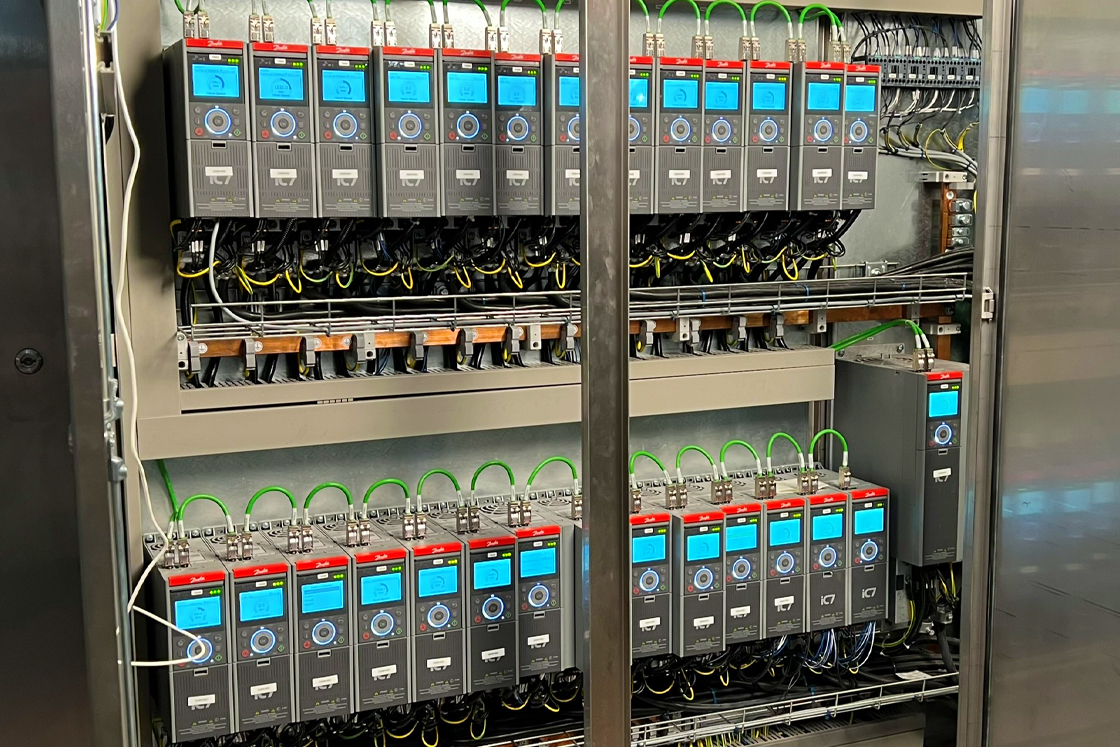
What do Variable Speed Drives do?
A Variable Speed Drive (VSD) controls the speed and torque (spin force) of an electric motor. Instead of running at full power all the time, a VSD adjusts motor speed as needed.
What's the difference between a Variable Speed Drive and a Variable Frequency Drive (VFD)?
Variable Speed Drives go by many names: From Variable Frequency Drives (VFD) to Adjustable Speed Drives (ASD), Adjustable Frequency Drives (AFD), frequency converters, VFD inverters, power converters etc. These are all essentially the same thing: a device used to vary the speed of a motor. Therefore, VSD is a solid catch-all term.
How do Variable Speed Drives work?
The process starts with the VSD receiving a control signal - maybe from a human interface (like a keypad or knob), a programmable logic controller (PLC), or an automated system like a sensor or PID controller. This signal represents the desired speed or output level.
The VSD then takes the incoming AC (alternating current) electricity from the power supply and converts it into DC (direct current) using a part called a rectifier. Next, another part called an inverter turns the DC back into AC, but now, it can control the frequency (how fast the power cycles) and voltage.

By modulating the frequency and voltage, the VSD controls how fast or slow the motor turns.
Why Do I need a Variable Speed Drive?
That depends on the kind of application you're working on:
Constant Torque Applications
In constant torque applications, the amount of force needed by the motor stays the same, no matter what speed it's running at. This is common in equipment like conveyors, screw compressors, mixers, and crushers, where the required torque is dictated by the weight of the load. While the energy savings in these cases aren’t as dramatic as in variable torque systems (see below), VSDs still offer significant benefits. By running the motor only as fast as needed, rather than constantly at full speed, VSDs reduce unnecessary power use, lower mechanical stress, and extend the life of your equipment—all of which lead to cost savings over time.

What are the Most Popular Drives for Constant Torque Applications?


Variable Torque Applications
Variable torque applications are where VSDs shine the brightest. In systems like pumps, fans, and ventilation units, the same benefits as constant torque applications apply, but the force required to turn the motor also drops sharply once the system is up to speed - like changing gears on a bicycle. This means a VSD can deliver huge energy savings simply by easing off the throttle once the motor is ticking over. In these types of systems, VSDs are one of the most effective tools available for cutting electricity costs and improving overall energy efficiency.

What is the Most Popular Drive for Variable Torque Applications?
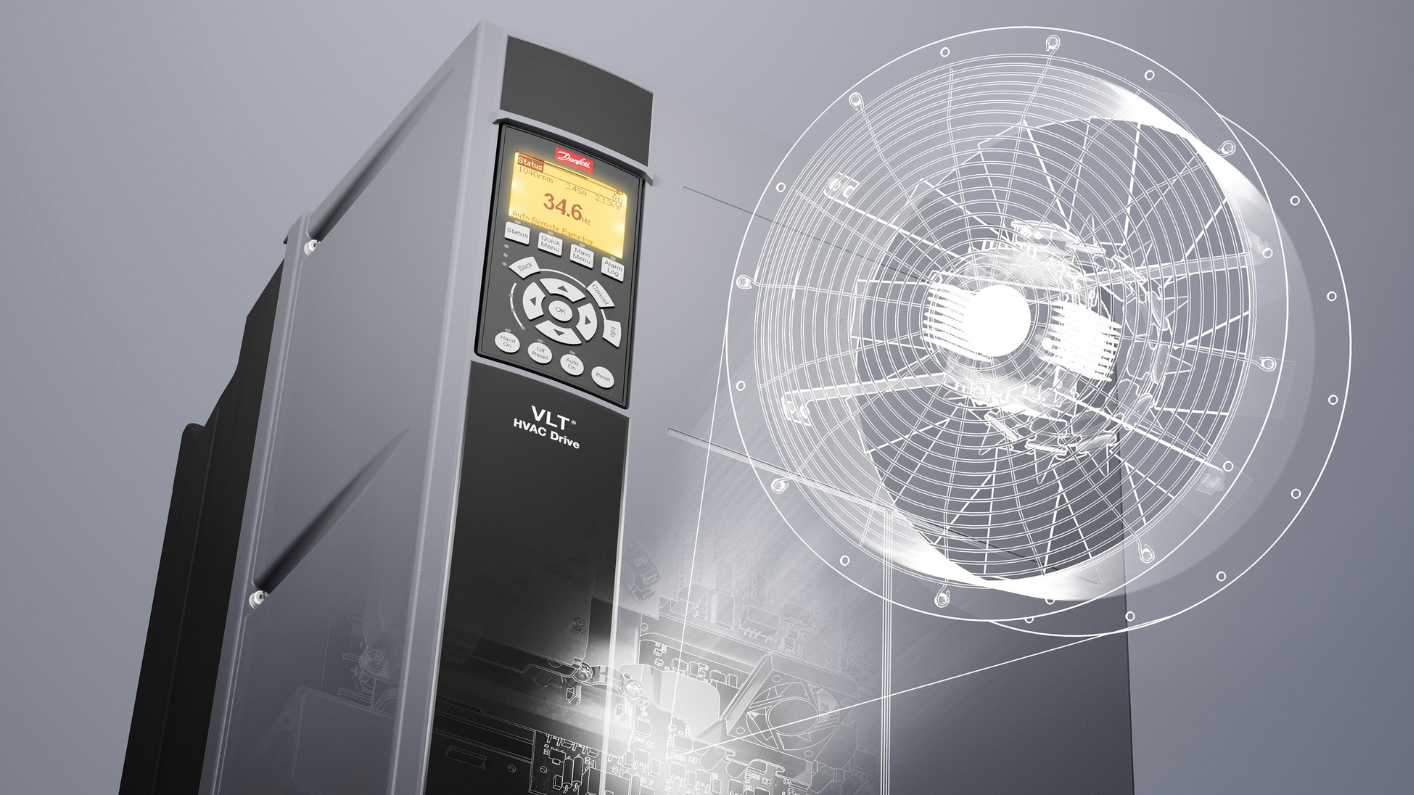
What are the key benefits of Variable Speed Drives?
- Significant Energy & Cost Savings
VSDs reduce power consumption by adjusting motor speed to match demand - especially in variable torque applications like fans and pumps - leading to lower electricity bills and smaller carbon footprints. Read more about energy saving in fan and pump applications here. - Extended Equipment Life & Lower Maintenance
Smooth start/stop control reduces mechanical stress and wear on components like belts, gears, and bearings, helping systems last longer with fewer breakdowns and less downtime. - Improved Process Control & Flexibility
Precise speed adjustment allows better control over production processes, improving consistency and quality while adapting to different loads, tasks, or schedules. - Enhanced Comfort & Safety
By running motors at optimal speeds, VSDs help reduce noise levels and improve environmental conditions in the workplace. - Support for Automation & Sustainability Goals
VSDs integrate easily with smart systems and energy management standards, helping businesses meet regulatory requirements and optimise energy use in real time.
How Much Energy can Variable Speed Drives Save?
According to ABB, 70% of industrial energy is used by electric motors, which amounts to 45% of all energy use on the entire planet! With an estimated 10 million industrial motors in production across the UK alone, VSDs could reduce power consumption dramatically, simply by adjusting motor speeds to match actual demand.
A report by the IEA-4E Electric Motor Systems Annex (EMSA) estimates that installing VSDs in suitable motor applications could achieve 20–30% energy savings across electric motor systems worldwide.
Fraunhofer reported that, in the EU, VSDs on pumps, fans, and compressors could save 121 TerraWatt hours per year, which is 9% of the EU's motor electricity use - on top of the 41 TWh already being saved through existing VSD installations.
As industries and governments around the world set more ambitious climate goals, VSDs stand out as one of the simplest and most cost-effective technologies to implement. They don’t require overhauling existing systems, just upgrading how the motor is controlled. It's a smart, proven step that can help businesses, nations and even the entire planet move toward a more sustainable, energy-efficient future.
How Much can Variable Speed Drives Reduce My Energy Consumption?
- Constant-torque applications (e.g., conveyors, screw compressors) typically see up to 10% energy savings, while variable-torque systems reap more dramatic benefits.
- Variable-torque systems (e.g. fans, pumps, compressors) running on VSDs commonly achieve 15–50% energy savings, thanks to the cube-law relationship between speed and power. For example, reducing motor speed by just 20% can yield close to 50% energy savings.
Where are Variable Speed Drives Used?

Variable Speed Drives are used for a wide range of applications in industries all across the world. A few of the most common uses are:
- HVAC systems
- In ventilation, aircon and cooling systems, VSDs control fan and pump speeds based on temperature or air flow demand, reducing energy waste during off-peak hours.
- Water and wastewater treatment,
- VSDs regulate pump speed to match flow requirements, avoiding the need for throttling valves and cutting down on energy use and mechanical strain.
- Conveyor systems
- In food processing, packaging, or manufacturing, VSDs provide smooth start/stop control and adjustable speeds to match the production line pace—helping reduce product damage and wear on the system.
- Chemical or Pharmaceutical Plants
- Centrifuges, mixers, and grinders benefit from precise speed control to maintain product quality and process consistency.
- Agriculture
- VSDs are used in irrigation pumps to match watering needs, saving power and extending pump life.
- Building automation
- VSDs are found in lifts, escalators, and ventilation systems, improving comfort while lowering energy costs.
Where can I buy Variable Speed Drives?
Variable Speed Drives are a core product for LED Controls and a cornerstone of factory automation. For over 25 years, we've been a trusted supplier of VSDs from ABB, Danfoss, TECO, IMO, Lovato, Unitronics and more. So, whether you’re upgrading your plant or starting from scratch, we’re here to help you find the right drive for the job.
Simply check out our selection online here, or get in touch with our sales team:
01706 242050
[email protected]
www.ledcontrols.co.uk

My Variable Speed Drive is Not Working!
Don't panic! Even the most reliable drives might need a check-up from time to time. Let's look at some troubleshooting tips:
1. Power Supply Issues
- Check Power Inputs
- Verify incoming voltage with a multimeter to ensure it matches VSD specifications.
- Check for blown fuses or tripped breakers on the supply line.
- Look for Phase Loss or Imbalance
- Use a clamp meter to confirm all phases are present and balanced.
- Investigate upstream if any phase is missing or fluctuating.
2. Drive Display Issues
- Display Is Blank
- Confirm power is reaching the VSD (look at terminals and LED indicators).
- Check internal control fuses or power board fuses if applicable.
- Display Shows Fault/Alarm
- Note the error code or message and consult the drive’s manual.
- Common codes include overvoltage, undervoltage, overcurrent, overheating, etc.
3. Motor Doesn’t Run
- Check Enable Signal
- Ensure Start/Run commands are being received—check terminal status or digital input LEDs.
- Verify Output to Motor
- Use a multimeter to confirm voltage at the motor terminals.
- Inspect for open output phases or short circuits in cabling.
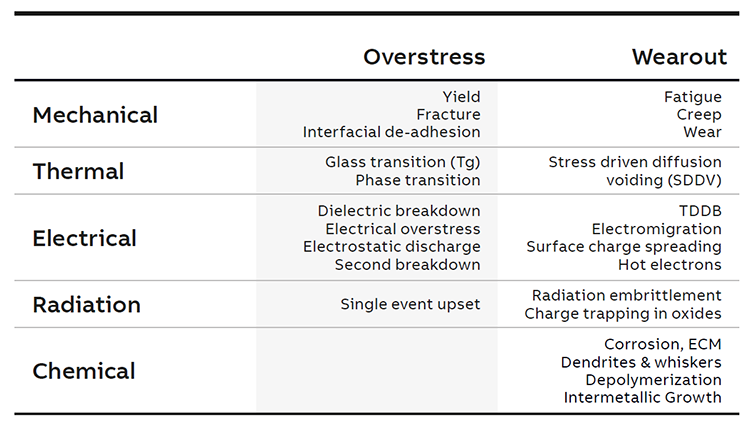
4. Overheating or Thermal Faults
- Check Cooling Fans
- Ensure fans are operational and not clogged with dust.
- Some drives shut down if fans fail—check for fan alarms.
- Inspect Ambient Conditions
- Verify ambient temperature is within drive tolerance.
- Improve airflow around the panel or use an enclosure cooler if needed.
5. Overcurrent or Short Circuit Faults
- Motor Cable and Motor Check
- Megger test the motor and cables for insulation breakdown.
- Check for signs of short circuit at the motor terminal box.
- Sudden Load Changes
- Investigate if mechanical load has jammed or seized.
- Gradually ramp up load if needed using drive acceleration settings.
6. Parameter or Programming Errors
- Verify Drive Parameters
- Check motor ratings (voltage, current, frequency) match drive settings.
- Revisit acceleration/deceleration times, torque limits, PID settings, etc.
- Reset to Defaults
- If issues persist, try restoring factory defaults and reprogramming step-by-step.
7. Control Signal Issues
- Analog/Digital Inputs
- Use the keypad to monitor analog input status.
- Ensure digital inputs (start/stop, forward/reverse) are configured and wired correctly.
- Communication Errors
- For networked drives (e.g., Modbus, Profibus, Ethernet/IP), confirm:
- Correct baud rate, parity, addressing.
- Physical cable integrity and termination.
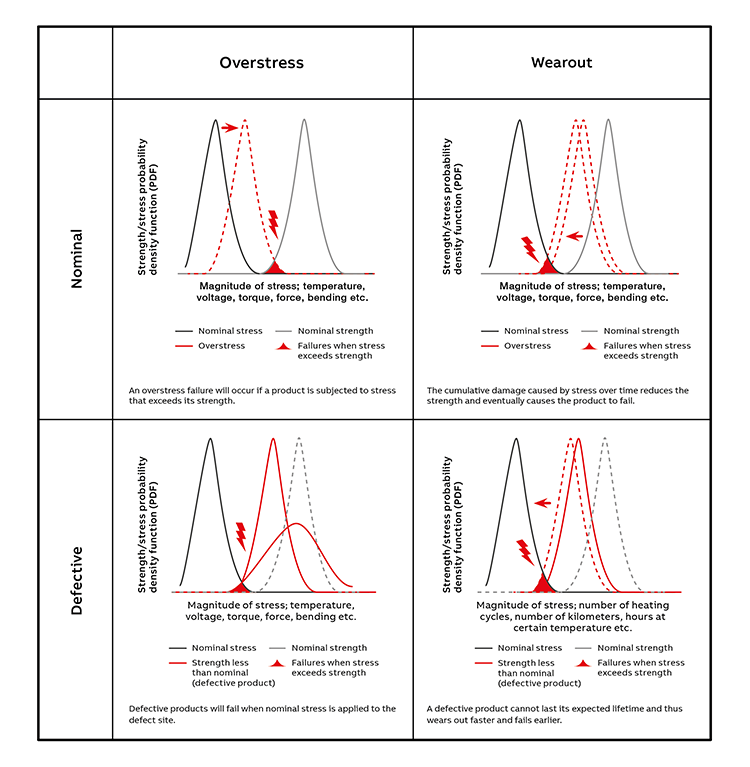
8. Diagnostic Tools and Logs
- Use Drive Logs
- Many VSDs store fault history—review for patterns or recurring issues.
- Enable Monitoring
- Activate real-time monitoring through drive software or HMI.
- Monitor voltage, current, frequency, temperature, and error status.
9. Firmware and Software
- Update Firmware
- Check the manufacturer’s site for firmware updates that fix known bugs.
- Configuration Backup
- Always save a backup of working configurations before making major changes.
10. Maintenance and Inspection
- Regular Visual Inspection
- Look for loose wires, discoloured components, dust buildup.
- Scheduled Preventive Maintenance
- Clean cooling ducts and fans.
- Re-torque terminal screws periodically.
For further info, check out these links:
Danfoss' Top Ten Tech Call Outs
Danfoss What is a Variable Frequency Drive?
ABB What is a Variable Speed Drive?
ABB Motion Drives Error Troubleshooting Manual
ABB Why Do VSDs Fail and How do we Test them?
If you still have questions, don't hesitate to get in touch with our expert sales team. We're always ready to help out:
01706 242050
[email protected]
www.ledcontrols.co.uk